


Design Guide
Why Herringbone Never Goes Out of Style
From period homes to contemporary interiors, herringbone flooring remains one of the most sought-after designs. Discover why this timeless pattern continues to add character, elegance and value to any space.
Timeless Design
A Pattern That Has Stood the Test of Time
Herringbone is one of the oldest flooring patterns in existence, used in grand European homes and chateaux for centuries. Unlike many design trends that come and go, herringbone has never fallen out of favour — and for good reason.
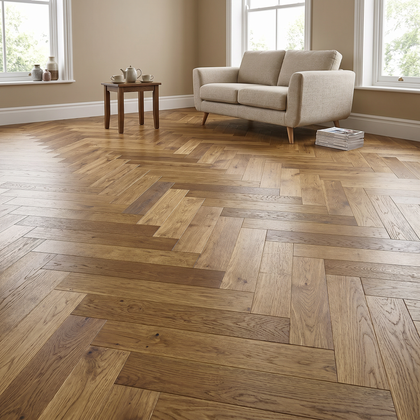
The pattern creates an interlocking V-shape arrangement of planks that is immediately recognisable, visually compelling and deeply satisfying to the eye. It communicates craftsmanship, attention to detail and an appreciation for quality that resonates with both traditional and contemporary interiors.
Whether you are restoring a period property or designing a brand-new home, herringbone flooring speaks a universal design language that transcends trends and adds lasting value to any space.
Visual Interest
How Herringbone Adds Movement and Character
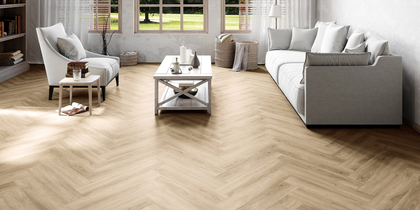
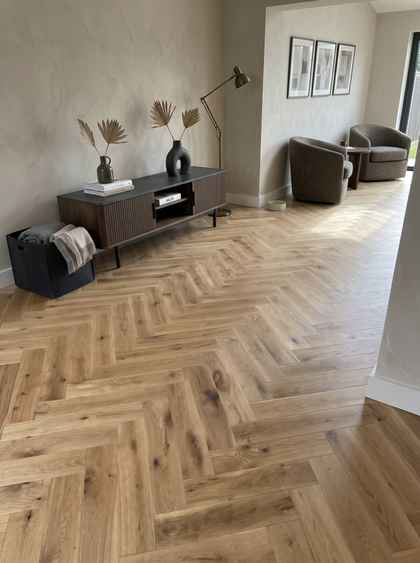
What makes herringbone flooring so compelling is the way it interacts with light and space. The diagonal arrangement of planks creates a natural sense of movement and direction that draws the eye through a room, making spaces feel more dynamic and interesting.
In larger rooms, this movement prevents the floor from feeling static or monotonous. In smaller spaces, laying herringbone at a diagonal can visually expand the room, making it feel wider and more open than a straight plank layout.
The pattern also plays beautifully with natural light. As daylight moves across the floor throughout the day, the interlocking planks catch and reflect light differently, creating a subtle shift in appearance that keeps the floor feeling alive and interesting.
Versatile Style
Works in Traditional and Modern Homes Equally
One of the reasons herringbone endures is its remarkable versatility. In a traditional period home, herringbone laid in a warm natural oak complements original features such as cornicing, sash windows and fireplaces beautifully.
In a contemporary open-plan home, the same pattern in a cool grey-washed or smoked oak creates a striking contrast against clean-lined furniture and minimal architecture. The pattern itself carries enough visual weight to anchor a room without competing with its surroundings.
For kitchens and bathrooms, a waterproof herringbone LVT delivers the same timeless aesthetic with complete practical durability — bringing the elegance of wood to rooms where solid wood is not suitable.
Choosing Your Tone
How to Choose the Right Oak Colour
The colour of your herringbone flooring will define the mood of the entire room. Different oak tones work differently depending on your interior style, existing furniture and the natural light available.
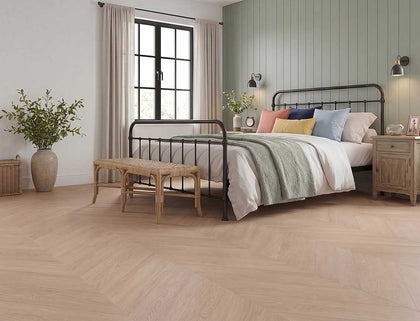
A lighter tone will make a room feel open and Scandinavian in character. A warmer, honeyed oak brings comfort and richness. A deep smoked oak creates drama and luxury. Take time to view samples in your own home, in your own lighting, before committing to a choice.
Light Oak
Bright & airy spaces
Natural Oak
Timeless & versatile
Warm Oak
Character & warmth
Smoked Oak
Drama & luxury
Making the Decision
Herringbone vs Straight Plank
Herringbone
- Creates visual movement and depth
- Adds character to both traditional and modern homes
- Makes rooms feel larger when laid diagonally
- A timeless pattern — never dated
- Requires more material (10–15% extra recommended)
Straight Plank
- Clean, minimal and contemporary
- Suits open-plan and modern interiors
- Emphasises the length of a room
- Simpler installation, less wastage
- Standard 10% wastage allowance
Ready to Find Your Perfect Herringbone?
Browse our full range of herringbone flooring in laminate, engineered wood and waterproof LVT.